


Charleston Regional Development Alliance

Berkeley, Charleston & Dorchester Counties

Printed from www.crda.org

The Medical University of South Carolina

The community is home to the Medical University of South Carolina (MUSC), the first medical school to be established in the southern United States. The MUSC medical complex, university campus and research commitment are helping to expand the area's base of medical device manufacturers and life sciences firms.
  • Directly employs more than 11,000 people
  • Annually contributes $2.3 billion to the local economy
  • Awards more than 800 degrees annually
  • More than $200 million in annual research funding and grants
  • Attracts biomedical and medical device firms
  • Dedicated focus on technology transfer and commercialization
related information

ResearchMedical CenterEducation
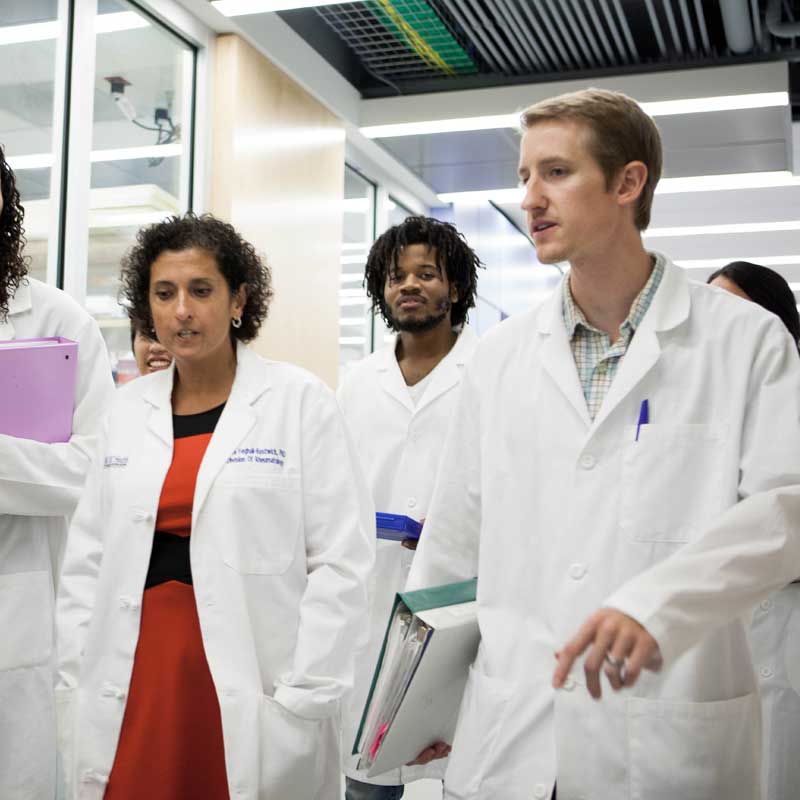
In addition to having a strong clinical program, MUSC is a well respected medical university and research center. Charleston's biosciences sector is fueled by MUSC and its dedication to cutting-edge research.
  • Research funding at the University grew to more than $230 million for fiscal 2012
  • Dedicated research centers include a nationally recognized Cancer Research Center, a National Proteomics Research Center and a Marine Biomedicine Research Center
  • MUSC's drug development strengths include those for oncology, stroke and neurodegenerative disease, plus vaccines and broad proteomics research
  • The MUSC Foundation for Research Development works to license technology developed by MUSC inventors and assists the start-up of companies commercializing MUSC technology.

Research Network

MUSC is a critical element of South Carolina's comprehensive research university network, which also includes Clemson University and the University of South Carolina (USC).

In partnership, South Carolina's three research universities support a growing number of academic/industry research collaborations underway throughout the state, including:

South Carolina Health Sciences Collaborative
Health Sciences South Carolina joins medical organizations and colleges/universities from across the state to provide a structure and vehicle for medical research, including clinical trials. This collaborative has committed $80 million+ over 10 years to provide for research professorships and a research foundation. Current members include the Medical University of South Carolina, the University of South Carolina, Clemson University and three major healthcare systems: Greenville Hospital System, Palmetto Health and Spartanburg Regional Healthcare System.

SmartState Program
The South Carolina SmartState Program unites the state’s three research universities on collaborative research projects. Current life science focus areas include:
  • Advanced Tissue Biofabrication
  • Brain Imaging
  • Cancer Disparities
  • Cancer Drug Discovery
  • Cancer Stem Cell Biology and Therapy
  • Childhood Neurotherapeutics
  • Clinical Effectiveness and Patient Safety
  • Gastrointestinal Cancer Diagnostics
  • Health Facilities Design and Testing
  • Healthcare Quality
  • Healthful Lifestyles
  • Inflammation and Fibrosis Research
  • Lipidomics, Pathobiology and Therapy
  • Marine Genomics
  • Medication Safety and Efficacy
  • Molecular Proteomics in Cardiovascular Disease and Prevention
  • Neuroscience
  • Proteomics
  • Regenerative Medicine
  • Renal Disease Biomarkers
  • Stroke
  • Tobacco-Related Malignancy Research
  • Translational Cancer Therapeutics
  • Vision Science
Full list of SmartState Programs.

To learn more about each research institution: Source: MUSC & South Carolina SmartState websites.
In addition to educating physicians and other health care professionals, MUSC provides highly specialized medical services and is nationally acknowledged to be on the leading edge of many advanced medical technologies and treatments. Specific areas of expertise include:

Pediatrics. The MUSC Children's Hospital has been recognized as one of the top ten children's hospitals in the United States, and offers the widest range of pediatric subspecialists in South Carolina.

Trauma Care. MUSC is the only designated Level 1 Trauma Center in coastal South Carolina. Level 1 is the highest level attainable from the American College of Surgeons. MUSC's MEDUCARE emergency medical transport service is available 24 hours a day to transfer patients by helicopter, fixed-wing airplane or ground ambulance services.

Cardiac Care. MUSC's Heart and Vascular Center offers the most complete line of cardiac and vascular services in the state.

Cancer Care. The MUSC Hollings Cancer Center is dedicated to research, education and patient care, and offers programs that bring together health professionals from numerous specialties to treat many types of cancer.

Psychiatry. The MUSC Institute of Psychiatry is one of the top 10 psychiatric research centers in the country for research funding, making new discoveries in treating depression, anxiety, schizophrenia, drug and alcohol addiction, and other disorders.

Organ Transplants. The MUSC Transplant Center is the only center in South Carolina to perform a full range of transplants including heart, kidney, pancreas, liver, cornea, small bowel and bone marrow. The United Network for Organ Sharing ranks the Transplant Center as one of the 17 busiest centers in the nation.

Digestive Disease. U.S. News and World Report magazine ranks MUSC among the top hospitals in the country in the area of digestive disease. The hospital's Digestive Disease Center includes nationally and internationally recognized gastroenterologists, hepatologists, surgeons, radiologists, oncologists and other health care professionals who work together to provide expert care for all digestive disorders.
U.S. News & World Report has ranked several of MUSC's academic programs among the nation's best. The university includes six colleges:
  • Medicine
  • Nursing
  • Health Professions
  • Pharmacy
  • Dental Medicine
  • Graduate Studies
Graduate training programs include biochemistry and molecular biology, biometry and epidemiology, cell and molecular pharmacology and experimental therapeutics, cell biology and anatomy, microbiology and immunology, pathology and laboratory medicine, pharmaceutical sciences, and physiology and neuroscience.

For more information on MUSC's education programs, please visit http://www.musc.edu/education.shtml.