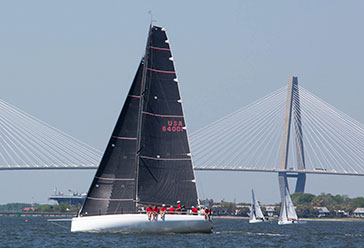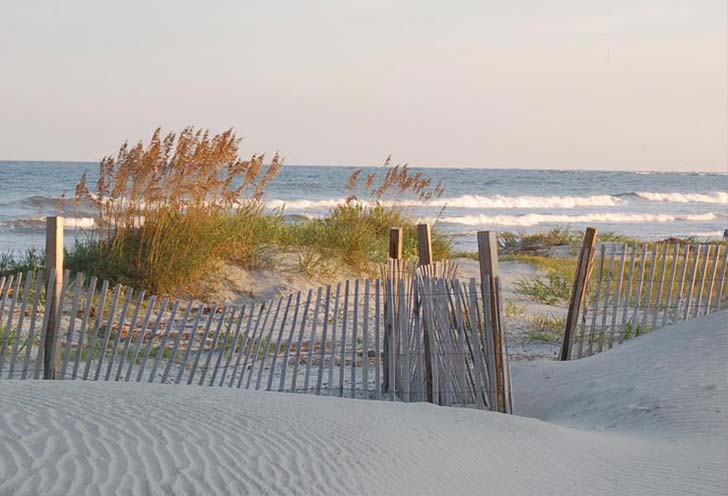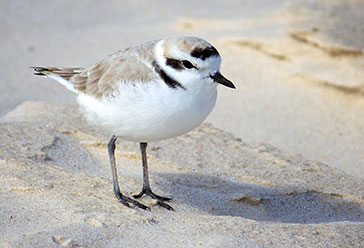
With more than 90 miles of Atlantic coastline, acres of freshwater lakes and rivers, and vast stretches of tidal marsh, the region is a water lover's paradise. Just some of the water-centered activities enjoyed by area residents:
- Sailing and boating (with 17 marinas, 6 yacht clubs and several annual sailing regattas)
- Saltwater and freshwater fishing
- Canoeing and kayaking
- Swimming, surfing and kiteboarding
- Shelling and beach strolling
- Bird watching
- Hiking and camping
- Hunting
- Waterside dining
Golf is another popular pastime in the Charleston region. As home to America's first golf course, Charleston is well known for the quality and quantity of its first-class courses - including 21 championship courses. In fact, the Ryder Cup and World Cup of Golf have both been played here.
For more information on all the golf courses in the region, please visit
Charleston Area Golf Guide.
Tennis lovers enjoy private tennis clubs, as well as various municipal facilities throughout the region. Many Charleston area tennis facilities offer a number of lessons and clinics, including a junior academy at the Family Circle Tennis Center on Daniel Island. For more information on all tennis clubs in the area, please visit
Lowcountry Tennis Association.
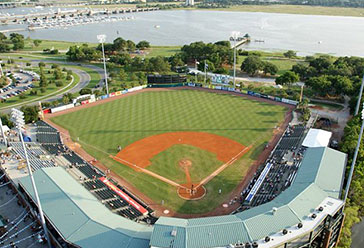
With an impressive array of professional and collegiate teams, plus numerous world-class sporting events, residents of the Charleston region enjoy sports-centered entertainment throughout the year.
The Charleston Sports Council features a comprehensive list of activities and events occurring throughout the region.
Professional Sports Teams
College/University Teams
Annual Sporting Events
In addition to these annual events, the Charleston region hosts sporting events that rotate among locations, including the
World Cup of Golf, the
Ryder Cup, the
Around Alone sailing competition, the
Southern Conference Basketball Championships, the U.S. Men's U20 World Cup Qualifying Tournament, the National Pee Wee Hockey Tournament and the AVP professional volleyball tournament.
For a complete listing of area sporting events, please visit the
Charleston Metro Sports Council.
Charleston's past, present and future are intricately connected to the area's natural environment, and many efforts are being made to preserve this natural beauty and abundance for generations to come.
More than 160 parks and recreational areas - encompassing more than 8,000 acres - are located throughout the region, with a total of 400,000 acres of protected lands. Programs are also in place to continually set aside dedicated green space and protected lands and waterways. In fact, Charleston County is aggressively acquiring undeveloped land as part of its comprehensive greenbelt plan.
Over the past several years, the
South Carolina Coastal Conservation League and its 4,000+ members have led a number of successful environmental
protection initiatives. And, through the use of conservation easements, the
Lowcountry Open Land Trust has successfully protected more than 58,000 acres of land and natural resources. Berkeley County's Lord Berkeley Conservation Trust also holds easements on more than 10,000 acres, preserved for its natural, historic, cultural and scenic value.
Also included in these preservation efforts are:
- ACE Basin National Wildlife Preserve was established in 1990 as part of a joint effort between federal and state government agencies, private conservation groups and local landowners to preserve and protect the ACE Basin area. The Ashepoo, Combahee and Edisto Rivers, which give the basin its name, combine to create one of the largest undeveloped estuaries on the Atlantic coast. The ACE Basin Refuge currently contains nearly 12,000 acres, with a goal of 18,000 acres upon completion.
- Cape Romain National Wildlife Refuge was established in 1932, this refuge includes more than 64,000 acres and extends for 20 miles along the Atlantic coast. Cape Romain is the largest nesting rookery for brown pelicans, terns and gulls on the South Coast, and has the largest nesting population of loggerhead sea turtles outside of Florida. The refuge plays an integral role in the recovery of the endangered red wolf.
- Francis Biedler Forest/Four Holes Swamp is the largest virgin cypress-tupelo swamp forest in the world. The forest contains about 12,500 acres with more than 1,800 acres of ancient trees, some dating back 1,000 years. The wildlife sanctuary was established when, in the 1960s, the National Audubon Society and The Nature Conservatory pooled their resources to purchase the property.
- Francis Marion National Forest encompasses more than 250,000 acres of beautiful and valuable coastal plain forest. The forest is bordered on the north by the Santee River, on the west by Lake Moultrie, and on the east by the Intracoastal Waterway. Hunting, fishing, camping and hiking resources make the forest a sportsman's wonderland.
- Washo Reserve features a 200-year-old freshwater cypress lake and cypress-gum swamp, which harbors the oldest wading bird rookery in continuous use in North America. Numerous pairs of osprey nest here, making the reserve one of the largest concentrations of this bird on the east coast. In 2001, the Washo Reserve was named one of America's top 500 Globally Important Bird Areas by the American Bird Conservancy.
For a full list of parks in each of the regions, please visit
Charleston County Parks & Recreation or
South Carolina State Parks.